AMD Radeon RX 7900 XT vs NVIDIA RTX 3080 Ti
Verdict
Our overall take, at a glance
Key takeaways
- AMD Radeon RX 7900 XT leads NVIDIA RTX 3080 Ti overall by 20 points (78 vs 58 out of 100).
- AMD Radeon RX 7900 XT stands out on Core Specifications Base Power: 380 W, Core Specifications Maximum Power: 520 W, Core Specifications Lithography Process: 5 nm.
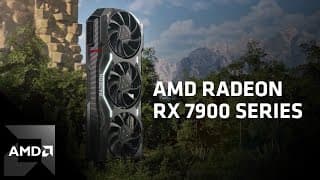
AMD Radeon RX 7900 XT leads overall
AMD Radeon RX 7900 XT
78
NVIDIA RTX 3080 Ti
58
Why it stands out
- Core Specifications Base Power: 380 W
- Core Specifications Maximum Power: 520 W
- Core Specifications Lithography Process: 5 nm
In-depth analysisAI
AI-generated from the cited sources — may be incomplete or inaccurate; verify important details before deciding · generated Jul 2026.
AMD Radeon RX 7900 XT
The AMD Radeon RX 7900 XT is an enthusiast-class graphics card powered by the Navi 31 XT processor, utilizing an innovative chiplet-based RDNA 3 architecture. It is designed for PC gamers and creators seeking top-tier rendering capabilities without paying the premium commanded by ultra-enthusiast competitor models. The card delivers high-resolution performance and features modern video encoding along with updated connectivity standards.
Best for High-refresh-rate 1440p and 4K gaming where raw rasterization performance is priBest for Enthusiast builders looking for high-end GPU performance at a relatively lower p
Pros
- Strong rasterization performance in high-refresh 1440p and 4K gaming
- More competitive pricing compared to rival high-end GPUs like the RTX 4080
- Incorporation of DisplayPort 2.1 to support next-generation monitors
- Innovative chiplet design that optimizes GPU manufacturing efficiency
Cons
- Ray tracing performance lags significantly behind flagship offerings from the competition
- High idle power consumption and early firmware anomalies
- DisplayPort 2.1 implementation lacks support for full UHBR20 bandwidth
NVIDIA RTX 3080 Ti
The NVIDIA RTX 3080 Ti is a high-end graphics card built on the Ampere GPU architecture, aimed at demanding gamers and creative professionals. Launched at a premium $1,200 price point, it features hardware-accelerated ray tracing and Tensor cores to deliver performance that closely approaches the flagship RTX 3090.
Best for High-resolution gaming with demanding real-time ray tracing effectsBest for Running local AI models and hardware-accelerated workstation rendering
Pros
- Gaming and production performance that nearly matches the flagship RTX 3090
- Hardware-level acceleration for ray-traced visuals and local AI applications
- Substantial generational performance improvements over older Turing-based models
Cons
- Highly expensive launch price of $1,200 that offers diminishing performance returns over the base RTX 3080
- Can experience high operating temperatures, particularly regarding memory heat
Value for Money
Which is the better deal for the price
Pre-filled with launch prices where known — enter today's price for an up-to-date check. Use the same currency for both.
AMD Radeon RX 7900 XT
NVIDIA RTX 3080 Ti
Performance
Higher benchmark score = faster
AMD Radeon RX 7900 XT29,500
NVIDIA RTX 3080 Ti26,800
Benchmark score — a measured indicator of raw performance, not a guarantee of real-world speed.
Review Videos
Hand-picked expert reviews for each product
Detailed Specifications
The full spec sheet, side by side