AMD Radeon RX 7900 XTX vs Apple M4 Pro GPU (16 Core)
Verdict
Our overall take, at a glance
Key takeaways
- AMD Radeon RX 7900 XTX leads Apple M4 Pro GPU (16 Core) overall by 40 points (86 vs 46 out of 100).
- AMD Radeon RX 7900 XTX stands out on Core Specifications Base Power: 410 W, Core Specifications Maximum Power: 560 W, Memory Technology: GDDR6.
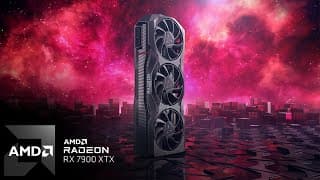
AMD Radeon RX 7900 XTX leads overall
AMD Radeon RX 7900 XTX
86
Apple M4 Pro GPU (16 Core)
46
Why it stands out
- Core Specifications Base Power: 410 W
- Core Specifications Maximum Power: 560 W
- Memory Technology: GDDR6
In-depth analysisAI
AI-generated from the cited sources — may be incomplete or inaccurate; verify important details before deciding · generated Jul 2026.
AMD Radeon RX 7900 XTX
The AMD Radeon RX 7900 XTX is a flagship desktop graphics card built on AMD's RDNA3 chiplet architecture, designed to compete directly against high-end alternatives like the Nvidia RTX 4080. It targets enthusiast gamers seeking premium 4K rasterization performance while carrying a lower launch price than its primary competitors.
Best for High-end 4K rasterized gaming without paying a premium priceBest for Users seeking modern DisplayPort 2.1 compatibility for future high-bandwidth mon
Pros
- Competitive pricing compared to Nvidia's equivalent offerings
- Excellent high-frame-rate performance in traditional rasterized 4K gaming
- Innovative RDNA3 chiplet design offering strong performance per dollar
- Features DisplayPort 2.1 connectivity for next-generation display compatibility
Cons
- Reference card design suffers from noticeable coil whine, high thermals, and power transient spikes
- Ray tracing performance remains behind comparable Nvidia options
- DisplayPort 2.1 implementation does not support maximum UHBR20 speeds
Apple M4 Pro GPU (16 Core)
The Apple M4 Pro is a high-performance System-on-a-chip designed for professional Apple devices like MacBooks and Mac Minis. Featuring specialized components including a 16 or 20-core GPU, it serves users who require substantial computational power for demanding creative workflows. This processor balances high throughput with the efficiency necessary for sustained operation.
Best for Video EditingBest for Graphic DesignBest for Professional Computing Workloads
Pros
- Integrated 16 or 20 cores in the dedicated GPU provide robust graphics capabilities compared to entry-level chips (Source 1).
- The system supports up to 64GB of unified memory, accommodating large project files and complex datasets (Source 1).
- It provides advanced media acceleration features, such as hardware support for Av1 decoding (Source 1).
- Its architecture is designed to deliver strong computational performance in diverse professional use cases.
Cons
- While powerful, its performance gains are specific relative to the previous M3 generation, rather than offering universal best-in-class speed across all consumer benchmarks (Source 1).
- The Pro variant is positioned below the M4 Max chip in terms of absolute maximum core count and memory bandwidth (Source 1).
Value for Money
Which is the better deal for the price
Pre-filled with launch prices where known — enter today's price for an up-to-date check. Use the same currency for both.
AMD Radeon RX 7900 XTX
Apple M4 Pro GPU (16 Core)
Review Videos
Hand-picked expert reviews for each product
Detailed Specifications
The full spec sheet, side by side