CPU cores vs clock speed: which matters more?
More cores or more gigahertz? It depends on what you run.
By the Let’s Compare Editorial Team · 1 min read · Updated September 24, 2026
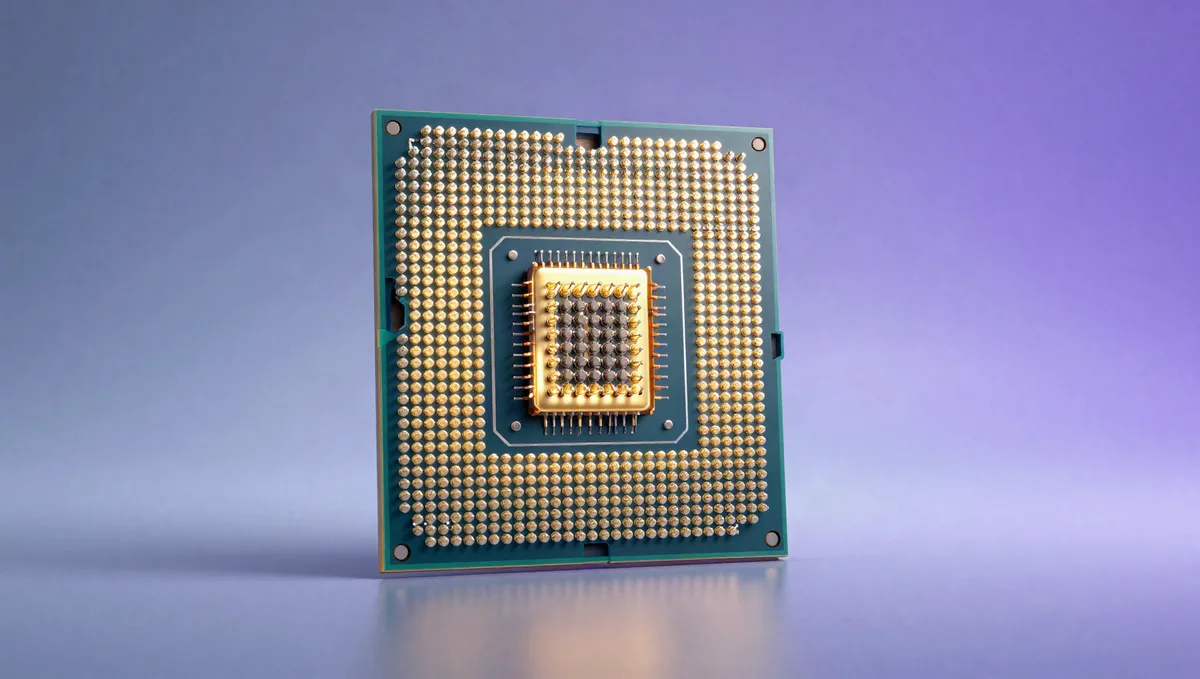
Should you pay for more cores or a higher clock speed? Processors are sold on both numbers, and it's easy to assume bigger is simply better. Which one counts for you depends on the software you use.
Cores vs clock speed
| More cores | Higher clock speed | |
|---|---|---|
| Helps most with | Parallel work (render, compile) | Single-task responsiveness, many games |
| Everyday feel | Multitasking | Snappiness |
| Compare across chips? | By benchmark, not count | By benchmark, not GHz |
What each number means
A core is an independent processing unit. A modern CPU has several, so it can work on multiple tasks at the same time. Clock speed, measured in gigahertz (GHz), is how many cycles each core runs per second; roughly, how fast a single core gets through one task. More cores means more things at once. Higher clock speed means each thing finishes faster.
Most cores also run two threads each (via simultaneous multithreading), which is why a spec sheet might read "8 cores, 16 threads". That's a further boost for software that can spread work across many threads.
Which one your workload wants
It comes down to whether your software runs in parallel. Video rendering, 3D work, code compiling and running lots of apps at once all scale across cores, so more cores means more speed. Many everyday jobs, and a surprising number of games, lean hard on one or two cores instead. Those care more about per-core speed (clock plus efficiency) than sheer core count, and a chip with fewer, faster cores can beat a many-core one at them.
Why GHz doesn't compare across chips
Gigahertz doesn't compare cleanly between different designs. A newer core can do more work per cycle than an older one, so a 4.5 GHz modern chip can outrun a 5 GHz older one. The number of instructions a core completes per clock varies by architecture. To compare CPUs fairly, look at benchmarks in the kind of work you do, not the core count or gigahertz on the box.
Sources & further reading
The facts and figures in this article come from the references below (some of them not in English), so you can check them yourself.
- Multi-core processor — Wikipedia
- Clock rate — Wikipedia