Blog
Plain-English explainers on the tech that actually decides a purchase: Bluetooth codecs, TV panels, camera sensors, VRAM and more. Original analysis, grounded in independently verified sources.
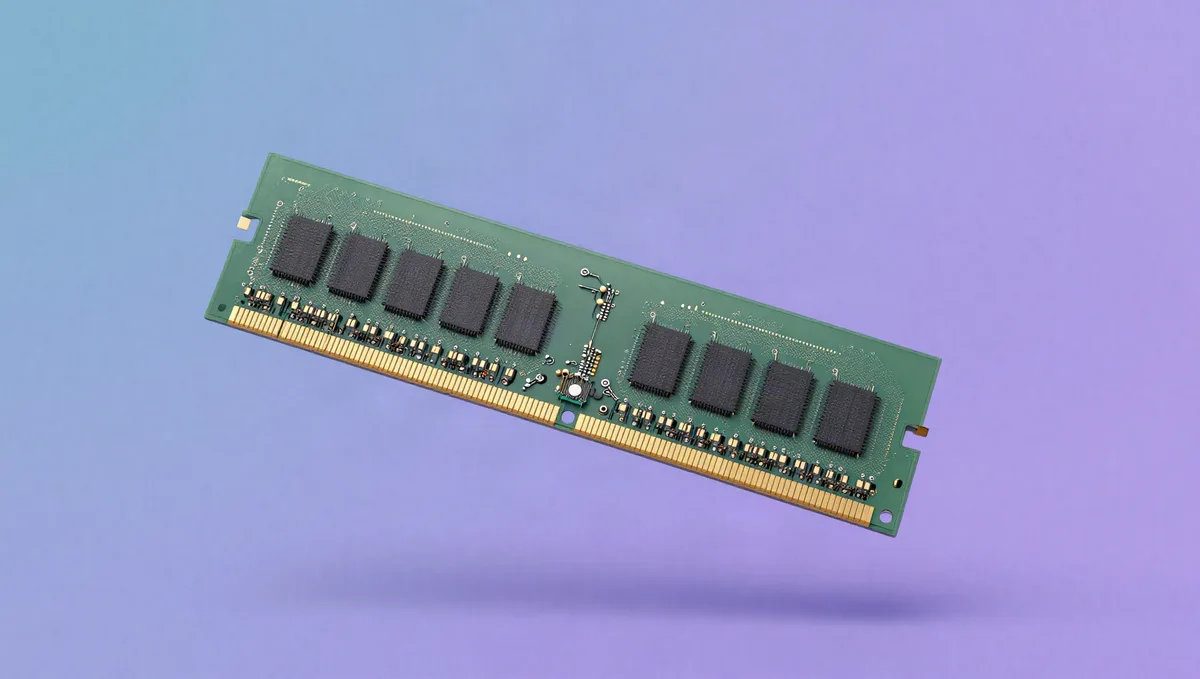
How much RAM do you actually need?
LaptopsWhy 8GB now feels tight, where 16GB is the sweet spot, and who needs 32GB or more.

SSD vs HDD: which storage should you buy?
LaptopsWhy an SSD transforms how a computer feels, and the job a hard drive still does best.
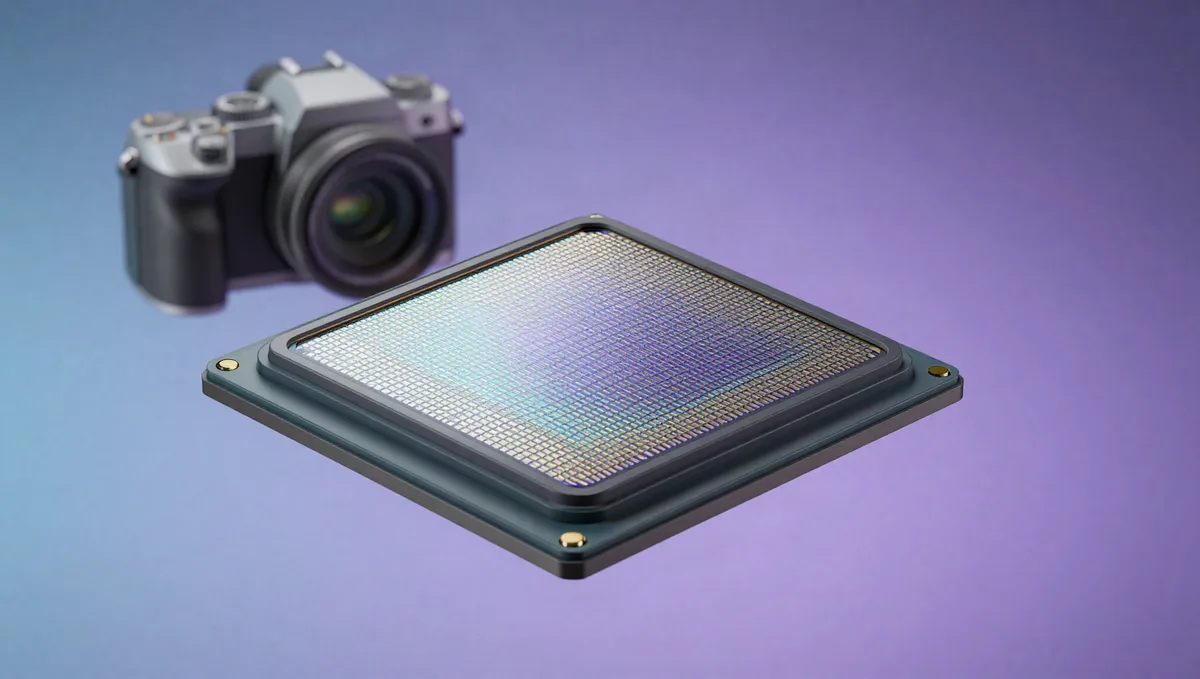
Do megapixels matter? Camera resolution explained
CamerasWhy a higher megapixel count doesn't mean better photos, and when it does help.
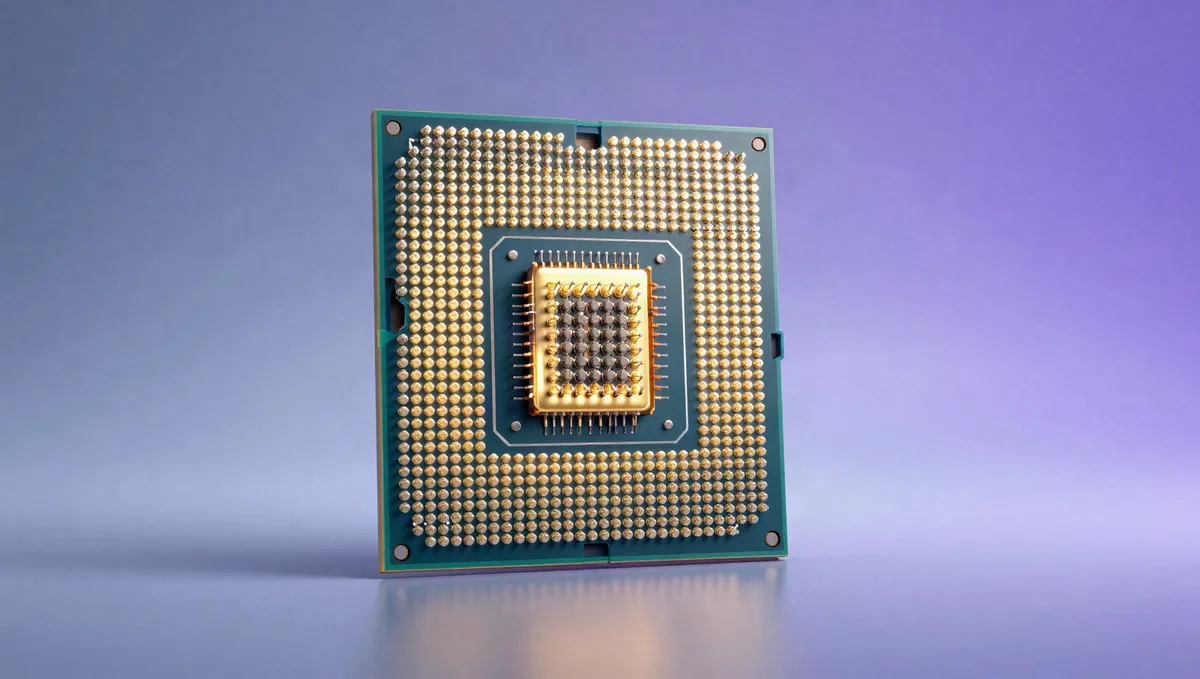
CPU cores vs clock speed: which matters more?
CPUsMore cores or more gigahertz? It depends on what you run.
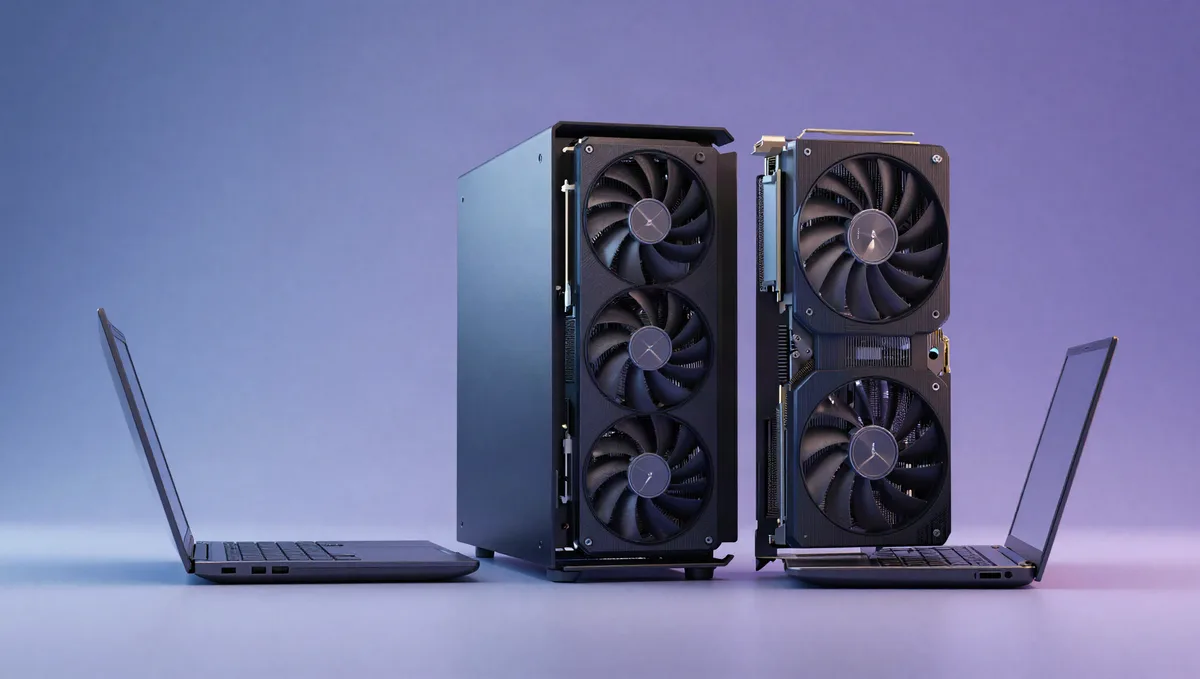
Laptop vs desktop GPUs: why the same name isn't the same speed
GPUsAn RTX 4070 in a laptop and an RTX 4070 in a desktop are very different parts. Power limits explain why.

Kindle vs Kobo: which e-reader ecosystem suits you?
E-ReadersThe screens are similar. What really separates them is where your books come from and what files you can read.
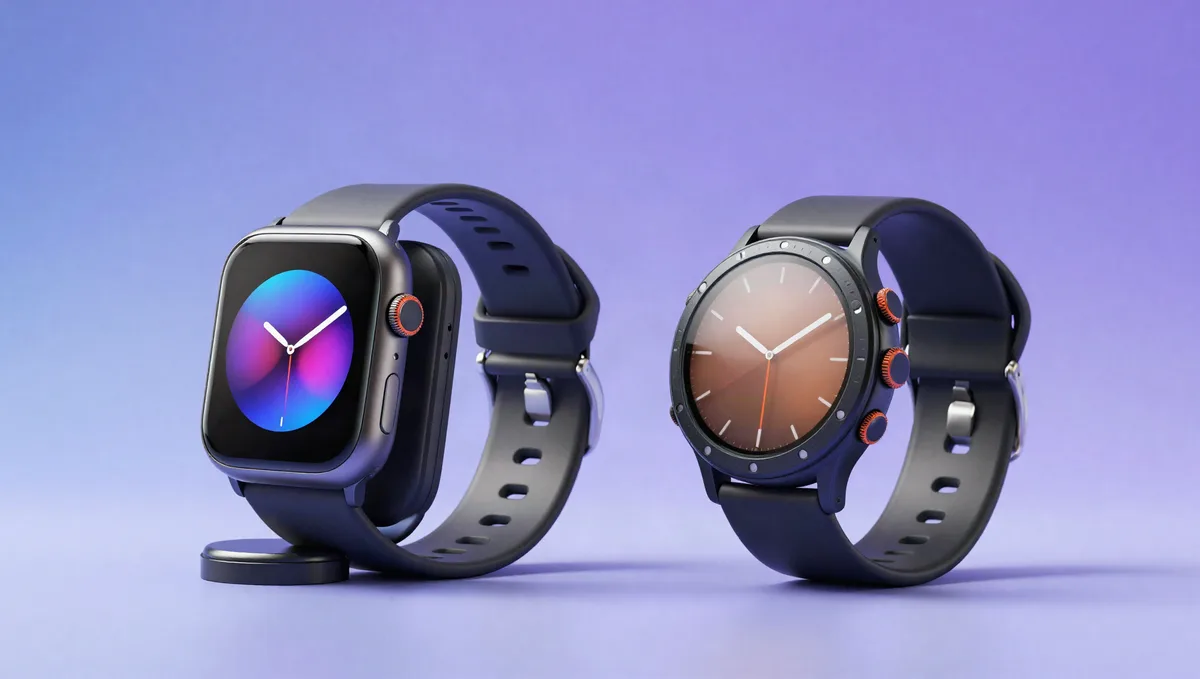
Why some smartwatches last a day and others last weeks
SmartwatchesAn Apple Watch needs charging nightly; a Garmin can go weeks. The screen and the software explain most of it.

Refresh rate explained: 60Hz vs 90Hz vs 120Hz vs 144Hz
MonitorsWhat refresh rate does, whether your eyes can tell, and how much you need.
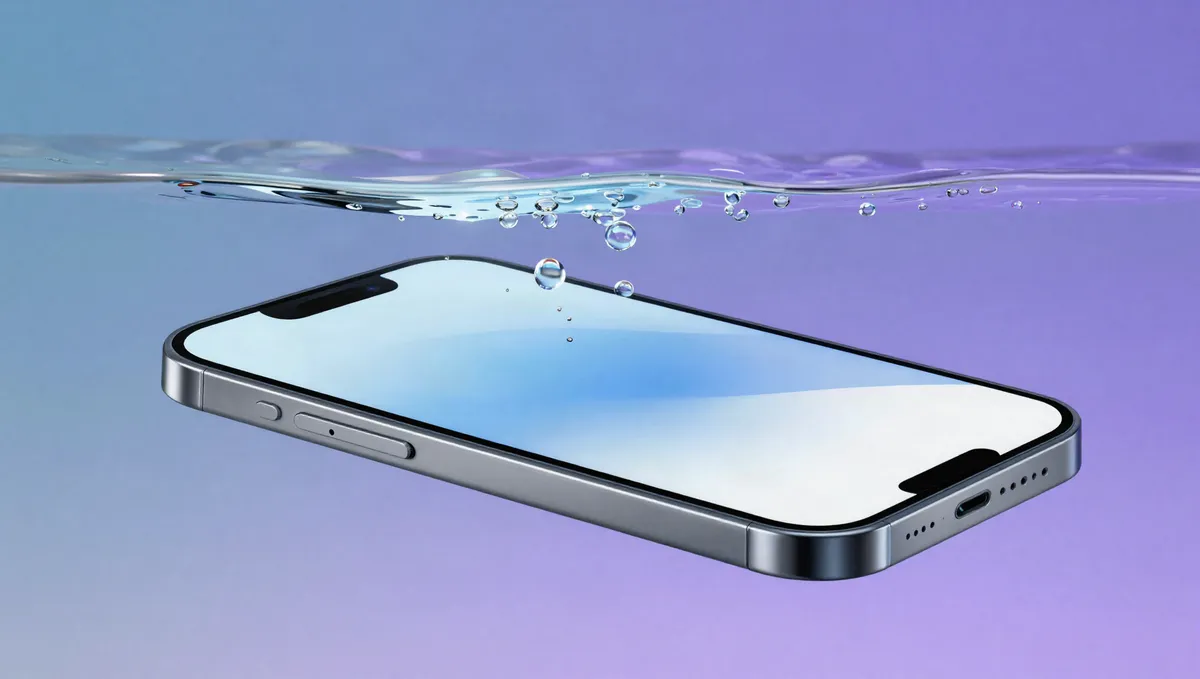
Water resistance ratings explained: IP67, IP68 and IPX8
SmartphonesWhat those IP numbers promise, and what they don't.
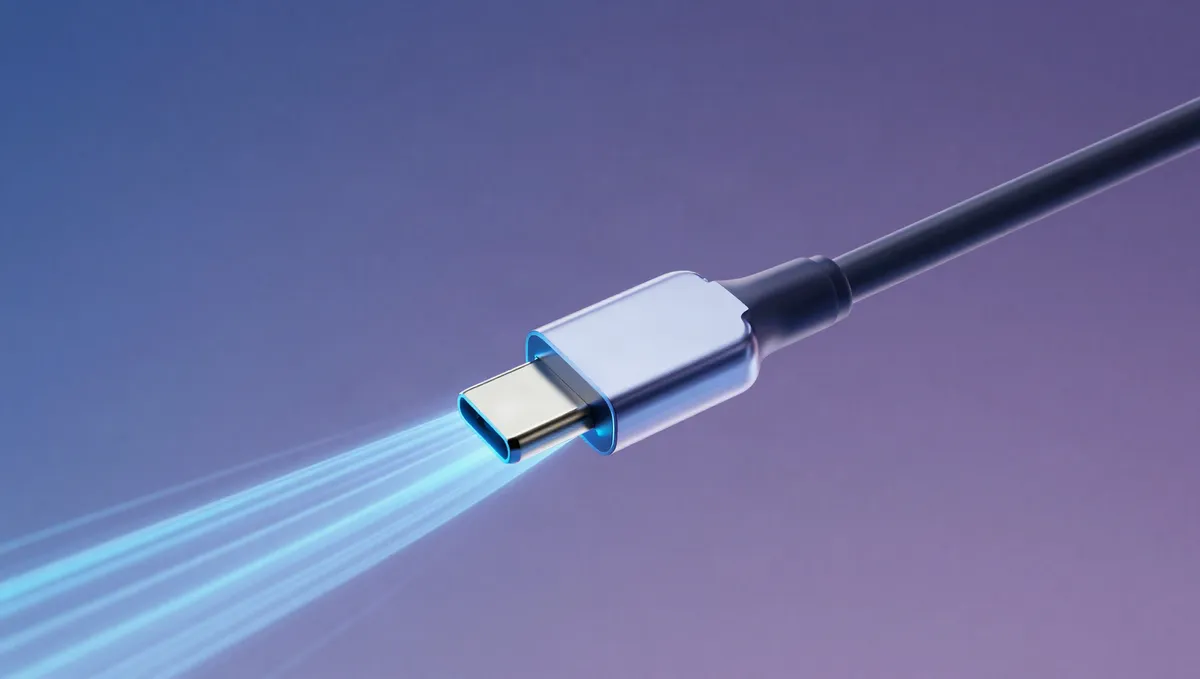
USB-C, USB4 and Thunderbolt: what's the difference?
LaptopsSame port, wildly different capabilities. How to tell what a USB-C port can do.
What is a nit? Screen brightness explained
TVsWhy nits decide whether you can read your screen in the sun, and how many you need.
OLED burn-in: how real is it in 2026?
TVsWhat causes it, who's at risk, and how modern OLEDs fight back.

eSIM vs physical SIM: which should you choose?
SmartphonesWhat an eSIM is, where it helps, and the situation where a physical SIM still wins.

mAh vs Wh: how to actually compare battery sizes
SmartphonesWhy mAh doesn't compare across devices, and the number that does.
What is Dolby Vision? HDR formats explained
TVsHDR10, HDR10+, Dolby Vision and HLG: what the formats do and which to care about.

Bluetooth codecs explained: SBC, AAC, aptX and LDAC
HeadphonesThe codec logo on the box matters much less than the marketing implies. Latency is the exception.

How active noise cancelling actually works
HeadphonesFeedforward, feedback and hybrid mics, why ANC loves a droning engine, and how much quiet you can expect.
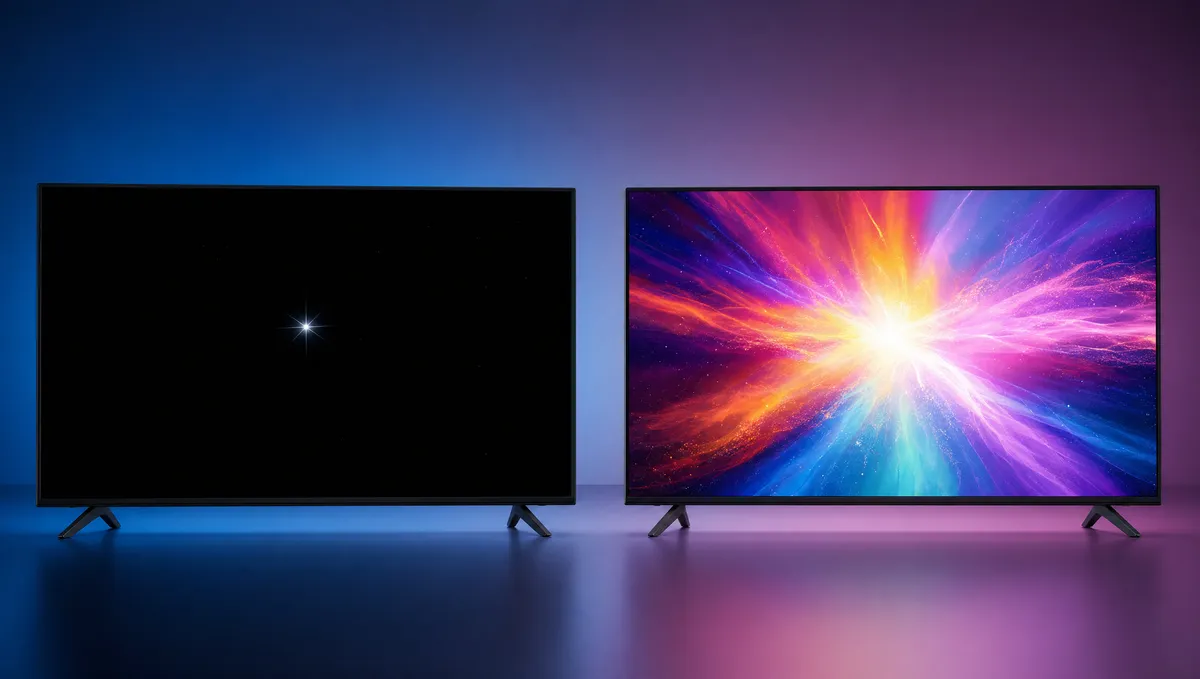
OLED vs QLED vs Mini-LED: which TV panel is right for you
TVsPerfect blacks or searing brightness? The panel decides the picture more than the brand or the feature list does.
HDMI 2.1 explained: do you actually need it?
TVs48 Gbps, 4K at 120Hz and VRR: what the standard adds, and who benefits.
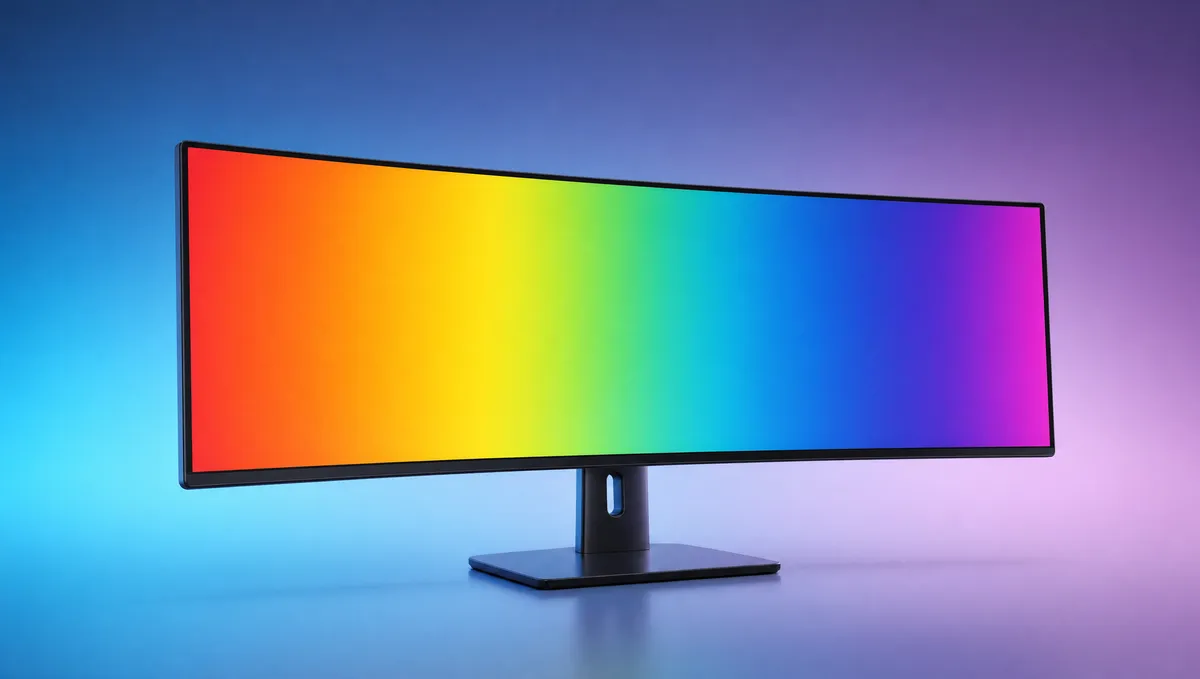
Monitor panel types explained: IPS, VA, TN and OLED
MonitorsColour, contrast, speed and viewing angles: the panel sets the character, and response time is easy to misread.
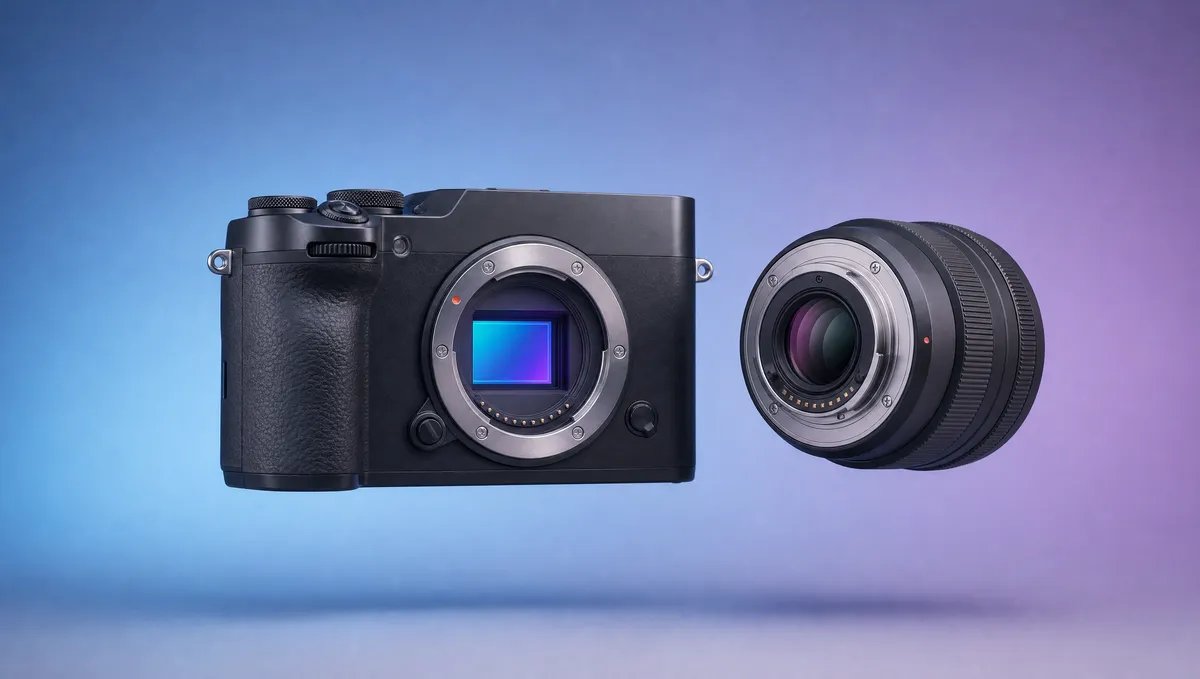
Camera sensor size explained: why it beats megapixels
CamerasLight gathering, low-light noise, depth of field: sensor size shapes your photos more than any pixel count.
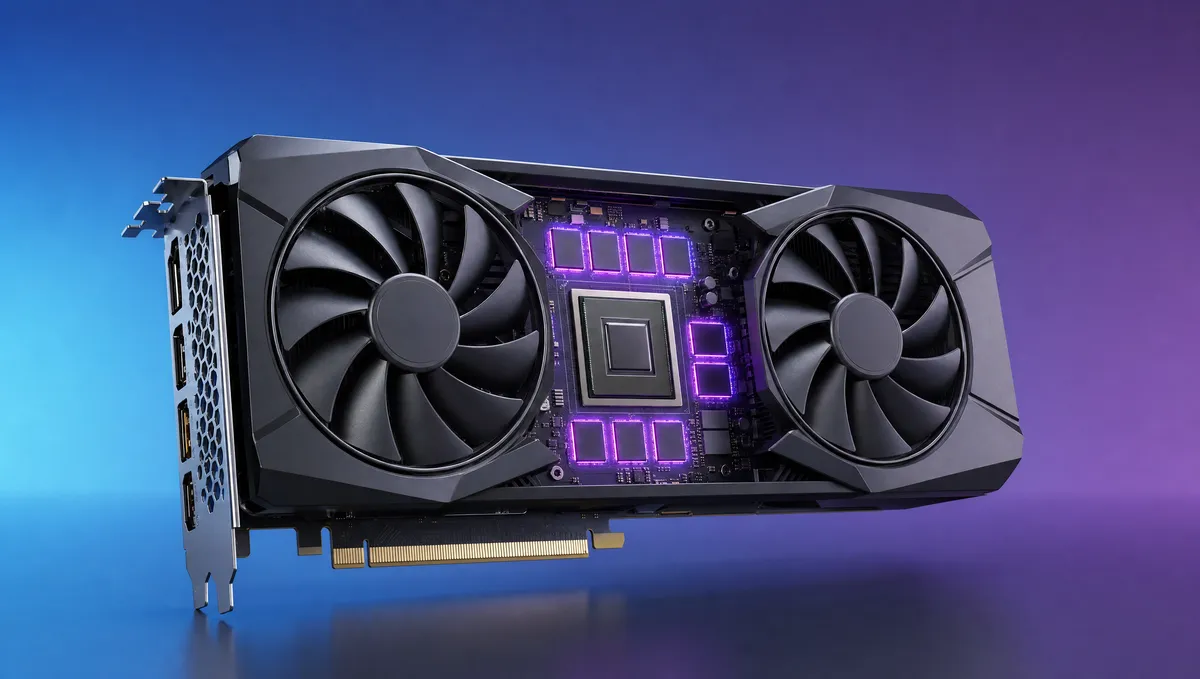
How much VRAM do you actually need?
GPUsWhy 8GB is running out of road, how resolution eats memory, and where upscaling fits in.

Colour E Ink explained: is it worth it?
E-ReadersKaleido colour looks tempting, but there's a sharpness tax. Plus what warm light and waterproofing give you.
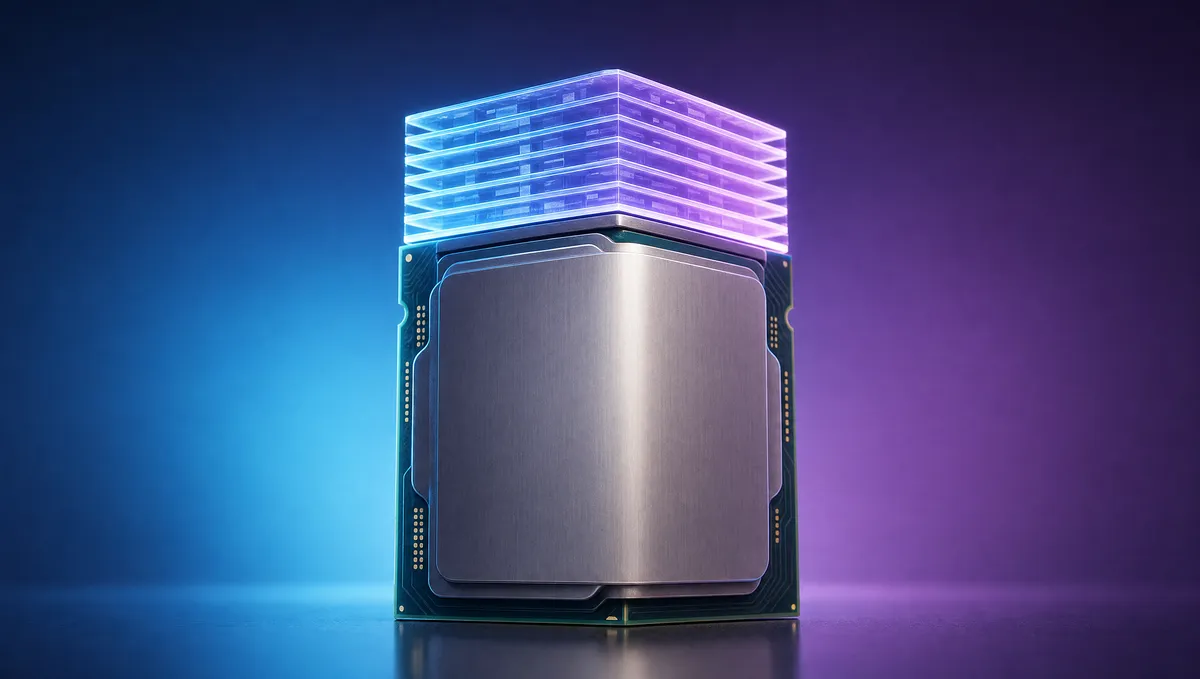
Why a slower-clocked CPU can win at games
CPUsAMD's 3D V-Cache shows why cache and efficiency often beat raw gigahertz for gaming.
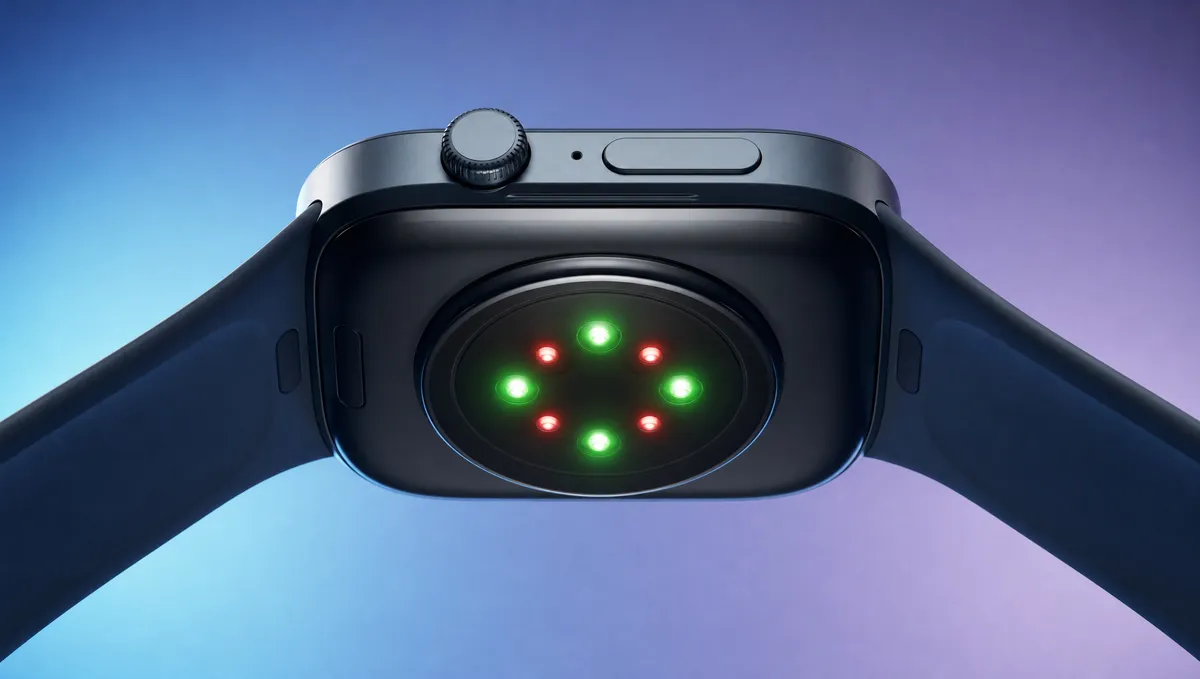
Smartwatch health sensors explained: ECG, SpO2 and GPS
SmartwatchesWhat the sensors measure, which claims are regulator-backed, and how platform lock-in can switch a feature off.