Based on our overall comparison score, Fujifilm X-T30 III rates higher at 48/100 versus 41/100 for Fujifilm X100VI — a 7-point lead. Fujifilm X-T30 III is the stronger overall pick, though the right choice still depends on which specs matter most to you; the full spec table above breaks down every difference.
Fujifilm X-T30 III vs Fujifilm X100VI
Updated Nov 2026 · Scored by the Let’s Compare Data Engine · How we score
For most buyers the Fujifilm X100VI is the better pick — it scores 58/100 to the Fujifilm X-T30 III's 48, leading on Sensor and Autofocus. Choose the Fujifilm X-T30 III instead if video and performance matter most to you, where it comes out ahead.
Verdict
Our overall take, at a glance
Key takeaways
- Fujifilm X100VI leads Fujifilm X-T30 III overall by 10 points (58 vs 48 out of 100).
- Fujifilm X100VI stands out on Display & Viewfinder Viewfinder Resolution: 3,690,000 (56% more), Sensor Megapixels: 40.2 MP (54% more), Physical & Battery Dimensions: 12.8 × 7.49 × 5.53 cm.
Fujifilm X100VI leads overall
Fujifilm X100VI
58
Fujifilm X-T30 III
48
Why it stands out
- Display & Viewfinder Viewfinder Resolution: 3,690,000 (56% more)
- Sensor Megapixels: 40.2 MP (54% more)
- Physical & Battery Dimensions: 12.8 × 7.49 × 5.53 cm
Watch-outs
Compromises to know before you buy
Fujifilm X-T30 III
- No in-body stabilization — shakier handheld video and low light.
Fujifilm X100VI
- Single card slot — no instant backup for paid work.
- No weather sealing — keep it away from rain and dust.
In-depth analysisAI
AI-generated from the cited sources — may be incomplete or inaccurate; verify important details before deciding · generated Nov 2026.
Fujifilm X-T30 III
The Fujifilm X-T30 III is a compact, classic-styled mirrorless camera intended for everyday documentation and travel photography. It pairs a 26.1-megapixel back-side illuminated X-Trans CMOS 4 sensor with the updated X-Processor 5 imaging engine. Weighing 378 grams including battery and memory card, it packs tactile physical controls and modern image processing into a highly portable frame.
Best for Travel and everyday street photography requiring a lightweight setupBest for Photographers prioritizing out-of-camera JPEG looks using analog-style film simu
Pros
- Upgraded X-Processor 5 engine paired with a proven 26.1-megapixel BSI sensor
- Lightweight and compact build weighing just 378g with battery and memory card
- Dedicated top-plate Film Simulation dial with customizable slots for user recipes
Cons
- Retains the older X-Trans CMOS 4 sensor hardware rather than stepping up to higher-resolution sensor options
Fujifilm X100VI
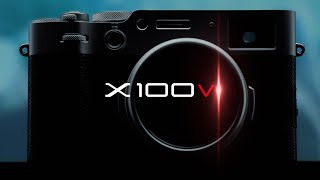
The Fujifilm X100VI is a compact, rangefinder-style digital camera equipped with an X-Trans CMOS sensor and a fixed prime lens. Designed for enthusiasts and street photographers, this sixth-generation model introduces a 5-axis in-body image stabilization (IBIS) system offering up to 6.0 stops of shake compensation while preserving a highly portable, tactile form factor.
Best for Street and everyday documentary photography requiring a compact, stabilized…Best for Tactile-first shooting workflows that prioritize physical control dials and…
Pros
- Built-in five-axis image stabilization delivers up to 6.0 stops of compensation.
- Physical, machined aluminum dials provide an intuitive, analog-style shooting experience.
- Versatile framing options via a hybrid viewfinder and a tilting waist-level LCD.
Cons
- Fixed-lens design lacks the versatility of interchangeable lens camera systems.
- Potential hidden accessory costs to fully optimize the camera setup for daily use.
Value for Money
Which is the better deal for the price
Pre-filled with launch prices where known — enter today's price for an up-to-date check. Use the same currency for both.
Fujifilm X-T30 III
Fujifilm X100VI
Physical Comparison
Weigh them up, then compare real dimensions in 3D
Fujifilm X-T30 IIIFujifilm X100VI
Fujifilm X100VI is 143 g (38%) heavier than Fujifilm X-T30 III.
Review Videos
Hand-picked expert reviews for each product
Detailed Specifications
The full spec sheet, side by side
Frequently Asked Questions
Common questions about Fujifilm X-T30 III vs Fujifilm X100VI comparison
Fujifilm X-T30 III and Fujifilm X100VI are compared side by side above across every spec in the cameras category — including performance, features and design — each scored 0–100 so you can see exactly where one leads the other. Our overall scores are 48/100 for Fujifilm X-T30 III and 41/100 for Fujifilm X100VI.
If you want the higher-rated cameras option overall, Fujifilm X-T30 III (48/100) edges out Fujifilm X100VI (41/100). But if Fujifilm X100VI is cheaper or stronger on the specific specs you care about, it can still be the better buy — use the spec table and strengths profile above to decide.
Which would you buy?
Cast your voteOther Popular Comparisons
Explore more product comparisons

Fujifilm X-H2
Fujifilm X100VI
VS

Fujifilm X-H2
Fujifilm X-T30 III
VS

Fujifilm X-T5
Fujifilm X100VI
VS
Fujifilm X-T30 III
Fujifilm X-T5
VS
Fujifilm GFX100RF
Fujifilm X100VI
VS
Fujifilm GFX100RF
Fujifilm X-T30 III
VS

Fujifilm X-E5
Fujifilm X100VI
VS
Fujifilm X-E5
Fujifilm X-T30 III
VS
Canon EOS R6 V
Fujifilm X100VI
VS
Canon EOS R6 V
Fujifilm X-T30 III
VS

Canon EOS R6 Mark III
Fujifilm X100VI
VS
Canon EOS R6 Mark III
Fujifilm X-T30 III
VS