They are closely matched: Razer Blade 16 2026 scores 77/100 and Asus ROG Zephyrus G16 (2025) scores 76/100 in our overall comparison — within 1 point. Neither is a clear winner overall, so the decision comes down to the specific features and price that matter most to you.
Razer Blade 16 2026 vs Asus ROG Zephyrus G16 (2025)
Updated Nov 2026 · Scored by the Let’s Compare Data Engine · How we score
For most buyers the Razer Blade 16 2026 is the better pick — it scores 65/100 to the Asus ROG Zephyrus G16 (2025)'s 57, leading on Processor and Discrete Graphics. Choose the Asus ROG Zephyrus G16 (2025) instead if storage and sound matter most to you, where it comes out ahead.
- Performance is scored from the laptop's CPU and GPU; few laptops have a published whole-system benchmark.
Verdict
Our overall take, at a glance
Key takeaways
- Razer Blade 16 2026 leads Asus ROG Zephyrus G16 (2025) overall by 8 points (65 vs 57 out of 100).
- Razer Blade 16 2026 stands out on Processor model: Intel Core Ultra 9 386H, Discrete graphics model: NVIDIA GeForce RTX 5090, Battery Maximum charge power: 280 W (17% more).
Razer Blade 16 2026 leads overall
Razer Blade 16 2026
65
Asus ROG Zephyrus G16 (2025)
57
Why it stands out
- Processor model: Intel Core Ultra 9 386H
- Discrete graphics model: NVIDIA GeForce RTX 5090
- Battery Maximum charge power: 280 W (17% more)
Watch-outs
Compromises to know before you buy
Razer Blade 16 2026
- RAM is soldered — you can't upgrade it later, so buy enough now.
Asus ROG Zephyrus G16 (2025)
- RAM is soldered — you can't upgrade it later, so buy enough now.
In-depth analysisAI
AI-generated from the cited sources — may be incomplete or inaccurate; verify important details before deciding · generated Nov 2026.
Razer Blade 16 2026
The Razer Blade 16 (2026) is a high-performance gaming laptop designed for enthusiasts and creative professionals who need workstation-class performance on the go. Equipped with an Intel processor, this premium device features a robust chassis, a high-quality display, and a versatile selection of physical ports for external connectivity.
Best for High-end mobile gaming and intensive creative multitaskingBest for Users prioritizing long-term hardware upgradeability in a premium form factor
Pros
- Premium chassis build quality and clean aesthetic
- User-upgradeable internal components for convenient RAM and storage expansion
- Diverse selection of physical ports for connecting multiple peripherals
- Immersive built-in audio system and high-quality display performance
Cons
- Commands a premium price tag typical of high-end gaming hardware
- Heavier profile and larger footprint compared to standard productivity ultraportables
Asus ROG Zephyrus G16 (2025)
The Asus ROG Zephyrus G16 (2025) is a high-performance 16-inch laptop designed for serious gamers and creative professionals. It is driven by the Intel Core Ultra 9 Processor 285H and offers graphics options reaching up to the NVIDIA GeForce RTX 5090 Laptop GPU. A standout feature is its 2.5K 240Hz OLED ROG Nebula display, which combines rapid refresh rates with thorough color accuracy.
Best for Competitive high-frame-rate gaming on a fast 240Hz OLED panelBest for Color-critical video editing and content creation requiring 100% DCI-P3 coverage
Pros
- Vibrant 2.5K 240Hz OLED display featuring 100% DCI-P3 color gamut, G-Sync support, and Pantone validation
- High-end graphics configurations available up to the NVIDIA GeForce RTX 5090 Laptop GPU with GDDR7 VRAM
- Strong multi-core CPU performance via the 16-core Intel Core Ultra 9 285H processor with integrated AI Boost NPU
Cons
- System memory is fully soldered on-board with no expansion slots, capping total RAM capacity at 32GB
Value for Money
Which is the better deal for the price
Pre-filled with launch prices where known — enter today's price for an up-to-date check. Use the same currency for both.
Razer Blade 16 2026
Asus ROG Zephyrus G16 (2025)
Performance
Higher benchmark score = faster
Razer Blade 16 202636,183
Asus ROG Zephyrus G16 (2025)34,215
Benchmark score — a measured indicator of raw performance, not a guarantee of real-world speed.
Battery capacity
Larger cell — a hardware spec, not battery life
Razer Blade 16 202690 Wh
Asus ROG Zephyrus G16 (2025)90 Wh
Capacity is the raw battery size. Real-world battery life depends just as much on the processor, software and display.
Physical Comparison
Weigh them up, then compare real dimensions in 3D
Razer Blade 16 2026Asus ROG Zephyrus G16 (2025)
Razer Blade 16 2026 is 0.19 kg (10%) heavier than Asus ROG Zephyrus G16 (2025).
Review Videos
Hand-picked expert reviews for each product
Detailed Specifications
The full spec sheet, side by side
Frequently Asked Questions
Common questions about Razer Blade 16 2026 vs Asus ROG Zephyrus G16 (2025) comparison
Razer Blade 16 2026 and Asus ROG Zephyrus G16 (2025) are compared side by side above across every spec in the laptops category — including performance, features and design — each scored 0–100 so you can see exactly where one leads the other. Our overall scores are 77/100 for Razer Blade 16 2026 and 76/100 for Asus ROG Zephyrus G16 (2025).
It's close — Razer Blade 16 2026 (77/100) and Asus ROG Zephyrus G16 (2025) (76/100) score almost the same. Pick based on price and the individual specs that matter most to you; the comparison above shows where each one pulls ahead.
Which would you buy?
Cast your voteOther Popular Comparisons
Explore more product comparisons

Razer Blade 14 (2025)
Razer Blade 16 2026
VS
Asus ROG Zephyrus G16 (2025)
Asus Zenbook Duo (2026)
VS
Razer Blade 16 2026
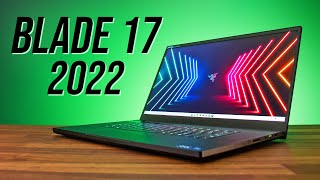
Razer Blade 17 2022
VS

Asus ROG Zephyrus G14 (2025)
Asus ROG Zephyrus G16 (2025)
VS

Razer Blade 15 2022
Razer Blade 16 2026
VS
Asus ROG Strix Scar 18 (2025)
Asus ROG Zephyrus G16 (2025)
VS

Asus ROG Zephyrus G14 (2024) GA403
Asus ROG Zephyrus G16 (2025)
VS
Asus ROG Zephyrus G16 (2025)
Asus Zenbook A16 2026
VS
Asus ROG Flow Z13 (2025)
Asus ROG Zephyrus G16 (2025)
VS
Asus ROG Zephyrus G16 (2025)
Asus Zenbook A14 2026
VS
Asus ROG Zephyrus G16 (2025)
Asus TUF Gaming A16 (2025)
VS

Asus ROG Zephyrus G16 (2025)
Asus Zenbook 14 Flip OLED
VS