
They are closely matched: Sony Bravia 7 II 65 scores 76/100 and Hisense U8N 55 scores 75/100 in our overall comparison — within 1 point. Neither is a clear winner overall, so the decision comes down to the specific features and price that matter most to you.
Sony Bravia 7 II 65 vs Hisense U8N 55
Updated Nov 2026 · Scored by the Let’s Compare Data Engine · How we score
The Hisense U8N 55 and Sony Bravia 7 II 65 are closely matched at 70 and 68/100. The Hisense U8N 55 edges ahead on Gaming and Audio, while the Sony Bravia 7 II 65 leads on value — pick the one whose strengths match what you'll actually use.
Verdict
Our overall take, at a glance
Key takeaways
- Hisense U8N 55 and Sony Bravia 7 II 65 are closely matched overall (within 2 points).
- Hisense U8N 55 stands out on Audio Output Power: 60 W (50% more), Gaming Refresh Rate (VRR Max): 144 Hz (20% more).
- Sony Bravia 7 II 65 counters with Panel Screen Size: 65 in (18% more).
Hisense U8N 55 and Sony Bravia 7 II 65 are closely matched
Hisense U8N 55
70
Sony Bravia 7 II 65
68
Where Hisense U8N 55 stands out
- Audio Output Power: 60 W (50% more)
- Gaming Refresh Rate (VRR Max): 144 Hz (20% more)
Where Sony Bravia 7 II 65 stands out
- Panel Screen Size: 65 in (18% more)
In-depth analysisAI
AI-generated from the cited sources — may be incomplete or inaccurate; verify important details before deciding · generated Nov 2026.
Sony Bravia 7 II 65
The Sony Bravia 7 II 65 is a 65-inch 4K Mini-LED LCD television built for home entertainment enthusiasts seeking high-end visual and smart integration features. Driven by Sony's XR Processor and running the Google TV operating system, it incorporates local dimming alongside a 120Hz refresh rate and Dolby Vision HDR support.
Best for high-refresh-rate console gaming with VRRBest for bright living room movie watching using Dolby Vision
Pros
- Equipped with the capable XR Processor for image optimization
- Bright Mini-LED LCD panel technology with local dimming support
- Smooth 120Hz refresh rate with VRR compatibility for gaming
- Comprehensive smart functionality powered by Google TV
Cons
- Limited to only two HDMI 2.1 ports out of the four total HDMI connections
- Built-in 2.2 channel speaker setup delivers modest 40-watt output
Hisense U8N 55
The Hisense U8N 55 is a 2024 mid-range television featuring mini-LED backlighting technology designed to deliver high-end brightness and contrast. Positioned above the U7N in the manufacturer's lineup, this model utilizes an updated chipset to drive improvements in visual performance over its predecessor. It is built for consumers seeking strong HDR presentation and deep black levels without paying premium OLED prices.
Best for Bright living rooms with significant ambient lightBest for High-contrast HDR home theater setups on a budget
Pros
- High peak brightness levels in both SDR and HDR modes
- Deep blacks and high contrast ratios due to mini-LED backlighting
- Strong reflection handling for control of glare in bright environments
Cons
- Noticeable degradation in picture quality when viewed from off-center angles
- Occasional software and processing quirks within the user interface
Value for Money
Which is the better deal for the price
Pre-filled with launch prices where known — enter today's price for an up-to-date check. Use the same currency for both.
Sony Bravia 7 II 65
Hisense U8N 55
Physical Comparison
Weight, side by side
Hisense U8N 55
19kg
Weight
Review Videos
Hand-picked expert reviews for each product
Detailed Specifications
The full spec sheet, side by side
Frequently Asked Questions
Common questions about Sony Bravia 7 II 65 vs Hisense U8N 55 comparison
Sony Bravia 7 II 65 and Hisense U8N 55 are compared side by side above across every spec in the tvs category — including performance, features and design — each scored 0–100 so you can see exactly where one leads the other. Our overall scores are 76/100 for Sony Bravia 7 II 65 and 75/100 for Hisense U8N 55.
It's close — Sony Bravia 7 II 65 (76/100) and Hisense U8N 55 (75/100) score almost the same. Pick based on price and the individual specs that matter most to you; the comparison above shows where each one pulls ahead.
Which would you buy?
Cast your voteOther Popular Comparisons
Explore more product comparisons
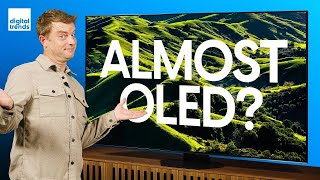
Hisense U8N 55
Hisense UR8SG 65
VS

Sony Bravia 7 II 65
Sony Bravia 9 II 65
VS

Hisense U75QG 65
Hisense U8N 55
VS

Sony Bravia 7 II 65
Sony Bravia 9 65
VS
Hisense U7SG 65
Hisense U8N 55
VS

Sony Bravia 7 II 65
Sony Bravia 8 II OLED 65
VS

Hisense U8N 55
Hisense U8QG 65
VS

Sony Bravia 5 65
Sony Bravia 7 II 65
VS
Hisense U8N 55
Hisense UR9SG 65
VS

Sony A80L OLED 65
Sony Bravia 7 II 65
VS
Hisense U6SF 65
Hisense U8N 55
VS
Sony Bravia 7 II 65
Sony Bravia 8 OLED 65
VS