Do megapixels matter? Camera resolution explained
Why a higher megapixel count doesn't mean better photos, and when it does help.
By the Let’s Compare Editorial Team · 1 min read · Updated September 24, 2026
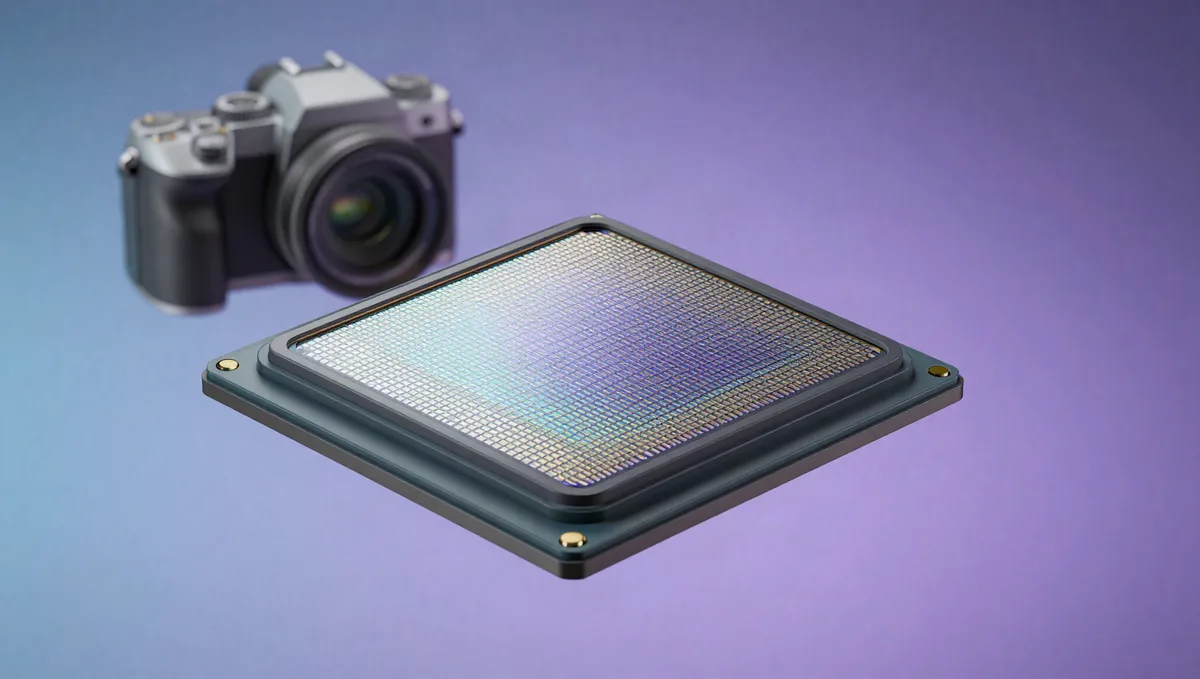
A 108-megapixel budget phone sounds like it should out-shoot a 12-megapixel flagship. It can lose. Megapixels are the number cameras and phones shout loudest about, and the most misleading spec on the box.
When megapixels matter
| Situation | Do they help? |
|---|---|
| Sharing online / on screen | No, any modern camera is enough |
| Low-light photos | No, bigger pixels beat more of them |
| Cropping into a shot | Yes |
| Large prints / posters | Yes |
What a megapixel measures
A megapixel is one million pixels, the tiny dots that make up a digital image. A camera's megapixel count is simply how many of them its sensor records, so a 48-megapixel camera captures a more finely divided image than a 12-megapixel one. That's resolution, meaning image size, and nothing else. It says nothing about colour, contrast, low-light ability or lens quality.
Why more isn't automatically better
Marketing tends to skip this part. On a sensor of a given size, more megapixels means smaller pixels, and smaller pixels gather less light, which can mean more noise in dim conditions. Cramming more megapixels onto a small phone sensor can hurt low-light photos rather than help them. That's how a 12-megapixel flagship can beat a 108-megapixel budget phone. Sensor size, lens and image processing shape a photo far more than the headline count.
It's also more resolution than most people ever use. A photo shown on a phone, a laptop or even a 4K TV needs only a few megapixels; the rest is invisible on screen and just fills storage.
When more megapixels help
There are two cases. The first is cropping: more pixels let you cut into a shot and still keep a usable, detailed image, which is handy for wildlife or reframing after the fact. The second is big prints, since a large poster needs enough pixels to stay sharp up close. If you print big or crop hard, a higher count earns its keep. If you mostly share online, almost any modern camera already has more than enough, and sensor size and lens deserve your attention instead.
Sources & further reading
The facts and figures in this article come from the references below (some of them not in English), so you can check them yourself.
- Image resolution — Wikipedia
- Image sensor — Wikipedia