OLED burn-in: how real is it in 2026?
What causes it, who's actually at risk, and how modern OLEDs fight back.
By the Let’s Compare Editorial Team · 1 min read · Updated September 21, 2026
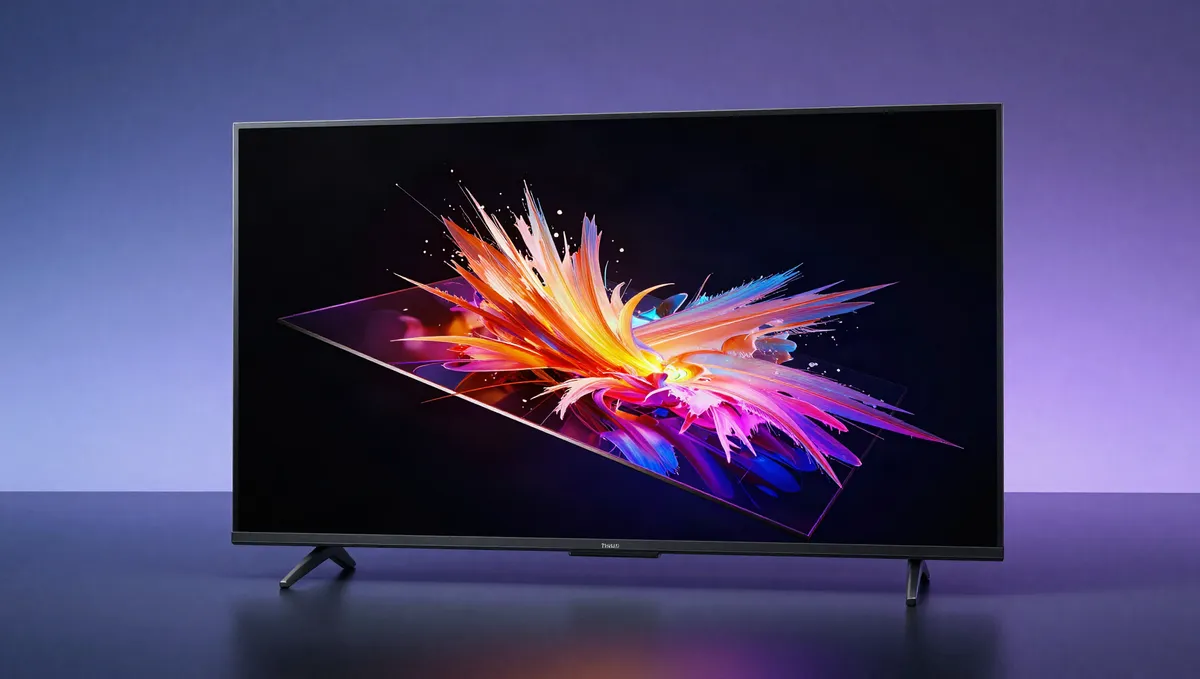
OLED's perfect blacks come with one famous worry: burn-in. Here's what it actually is, how likely it is for normal viewing, and the built-in features that make it a rare problem for most people.
Burn-in: risk vs mitigation
| Factor | Effect |
|---|---|
| Static logos/HUDs for hours daily | Raises risk |
| Varied movies, shows, sport | Very low risk |
| Pixel shift & logo dimming | Built-in mitigation |
| QLED / Mini-LED (LCD) | No burn-in at all |
What burn-in actually is
Burn-in — more precisely, permanent image retention — happens when parts of an OLED screen age unevenly. Because each pixel makes its own light from an organic material that dims slowly with use, a static element shown for thousands of hours (a channel logo, a news ticker, a game HUD) can leave a faint ghost. It's a gradual wear effect, not a sudden fault.
Who's actually at risk
The risk scales with static content. A TV showing varied movies, shows and sport for a few hours a day is very unlikely to burn in over its life. The real risk lives in punishing edge cases: a display left on the same news channel or dashboard all day, or hours of the same game with a fixed HUD, every day for years. For mixed viewing, burn-in is rare.
How modern OLEDs fight it
Today's OLED TVs bake in defenses: pixel shifting (nudging the image a pixel or two), logo and brightness limiting that dims static bright elements, and periodic pixel-refresh cycles that even out wear. Many makers also cover burn-in under warranty for a few years. Practical advice: vary your content, don't leave a static image on screen for hours at max brightness, and keep the screen-care features on. If you want zero worry, QLED/Mini-LED (LCD) has no burn-in at all.
Sources & further reading
This article is original analysis grounded in independently verified references, including non-English outlets. The facts above are sourced so you can check them yourself.
- Screen burn-in (image retention on OLED) — Wikipedia
- OLED (organic emissive pixels, degradation) — Wikipedia