Filters
Sort By
Brand
RAM
Storage
Battery
Display
Refresh rate
IP rating
139 products
Smartphones products

Honor Magic V6


OnePlus 15T

Vivo X300 Pro


Apple iPhone 18 Pro Max

Honor Magic 8 Pro

Oppo Find X9 Pro

Samsung Galaxy S26 Ultra

Xiaomi 17 Ultra


Apple iPhone Duo

OnePlus 15

Oppo Find X8 Pro

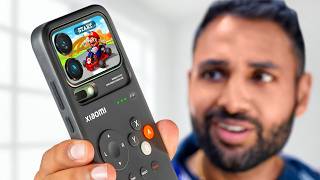

Apple iPhone 18 Pro
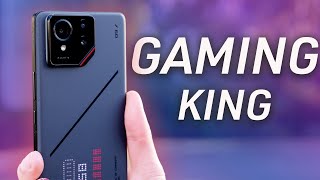
Asus ROG Phone 9 Pro

Honor Magic 7 Pro


Vivo X200 Pro

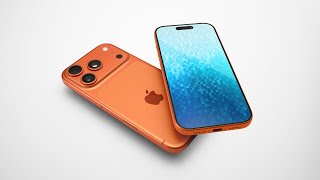
Apple iPhone 17 Pro Max
About Smartphones Comparisons
We compare 139 phones side by side — scoring each 0–100 on the specs that matter, then weighing performance, features and value for money so you can decide with confidence. Browse Samsung, Apple, Google and more.
The top-rated phone right now is Honor Magic V6 (88/100), and prices across the range run from $179 to $2,299. For the best score per dollar, Samsung Galaxy A17 5G stands out as the value pick. Pick any two above to see a full head-to-head.
Smartphones buying guide
Two phones with the same chip and screen size can still be worlds apart once you look at how the camera actually performs, how long the battery lasts, and how future-proof the connectivity is. Our smartphone comparisons score every model against the same weighted criteria — chip, benchmarks, memory, storage, display, rear and front cameras, battery, cellular and connectivity — so you can see exactly where one pulls ahead and by how much, rather than trusting a headline spec.
Read moreShow less
What matters most when comparing smartphones
The processor sets the ceiling for everything else — sustained performance, gaming, camera processing and how many OS updates the phone will realistically get. We weigh it alongside RAM, because a fast chip starved of memory stutters in real multitasking.
Megapixels are the least interesting number. Aperture, optical zoom and stabilisation separate a good phone camera from a spec-sheet one, so they outweigh megapixels in our score, and rear and front cameras are scored as distinct sections.
Panel type and refresh rate decide how the phone feels every time you pick it up — far more than resolution alone, which is why both outweigh resolution in our display score.
Cellular generation, Wi-Fi generation and Bluetooth version quietly decide how long the phone stays current. It's the section buyers ignore and regret two years later.
Common questions
- What's the most important spec when comparing smartphones?
- There isn't one — the chip, cameras, display and battery-related specs all matter together, which is why we score across weighted sections instead of ranking by a single number like megapixels or clock speed.
- Do more megapixels mean a better camera?
- No. Sensor size, aperture and image processing matter far more than the megapixel count, which is why megapixels carry the least weight in our rear-camera score, behind aperture, optical zoom and stabilisation.
- How often is smartphone comparison data updated?
- Specs and scores are reviewed as new models are added and as pricing changes; each comparison page shows when its underlying data was last touched.