
They are closely matched: BenQ PD2730S scores 47/100 and Dell U3223QE scores 46/100 in our overall comparison — within 1 point. Neither is a clear winner overall, so the decision comes down to the specific features and price that matter most to you.
BenQ PD2730S vs Dell U3223QE
Updated Nov 2026 · Scored by the Let’s Compare Data Engine · How we score
The BenQ PD2730S and Dell U3223QE are closely matched at 56 and 56/100. The BenQ PD2730S edges ahead on Panel, while the Dell U3223QE leads on value — pick the one whose strengths match what you'll actually use.
Verdict
Our overall take, at a glance
Key takeaways
- BenQ PD2730S and Dell U3223QE are closely matched overall (within 1 points).
- BenQ PD2730S stands out on Panel Pixel Density: 218 (56% more), Panel Resolution: 5120 × 2880 px.
- Dell U3223QE counters with Panel Type: IPS Black, Panel Screen Size: 31.5 in (17% more), Panel Screen-to-body ratio: 93.6% (5% more).
BenQ PD2730S and Dell U3223QE are closely matched
BenQ PD2730S
56
Dell U3223QE
56
Where BenQ PD2730S stands out
- Panel Pixel Density: 218 (56% more)
- Panel Resolution: 5120 × 2880 px
Where Dell U3223QE stands out
- Panel Type: IPS Black
- Panel Screen Size: 31.5 in (17% more)
- Panel Screen-to-body ratio: 93.6% (5% more)
Watch-outs
Compromises to know before you buy
BenQ PD2730S
- 60 Hz — no high-refresh gaming.
Dell U3223QE
- 60 Hz — no high-refresh gaming.
In-depth analysisAI
AI-generated from the cited sources — may be incomplete or inaccurate; verify important details before deciding · generated Nov 2026.
BenQ PD2730S
The BenQ PD2730S is a 27-inch 4K UHD display engineered for color-critical digital tasks and creative professionals. It features a 3840x2160 resolution panel paired with USB-C connectivity and ergonomic stand options. Designed with Mac users and visual artists in mind, it prioritizes color accuracy and seamless desktop integration.
Best for Color-critical photo editing and graphic designBest for Mac desktop workstation setups requiring single-cable USB-C connectivity
Pros
- High-density 4K UHD (3840x2160) resolution on a 27-inch panel
- USB-C connectivity tailored for modern laptop and Mac setups
- Ergonomic stand featuring height adjustment functionality
Cons
- Focused on productivity and color precision rather than high-refresh-rate gaming features
Dell U3223QE
The Dell U3223QE is a 31.5-inch 4K monitor designed to function as a productivity-oriented display and a docking hub. Featuring an IPS panel and built-in USB-C hub connectivity, it is built to streamline workstation setups for professional users.
Best for Single-cable laptop docking setups in professional workspacesBest for Detailed productivity tasks requiring significant screen real estate and high…
Pros
- High-density 4K resolution on a spacious 31.5-inch display
- Integrated USB-C hub capabilities to minimize cable clutter
- IPS panel technology for consistent visual performance across wide viewing angles
Cons
- Designed primarily for productivity, which may limit appeal for users looking for high-refresh-rate gaming features
Value for Money
Which is the better deal for the price
Pre-filled with launch prices where known — enter today's price for an up-to-date check. Use the same currency for both.
BenQ PD2730S
Dell U3223QE
Physical Comparison
Weigh them up, then compare real dimensions in 3D
BenQ PD2730SDell U3223QE
Dell U3223QE is 0.05 kg (1%) heavier than BenQ PD2730S.
Review Videos
Hand-picked expert reviews for each product
Detailed Specifications
The full spec sheet, side by side
Frequently Asked Questions
Common questions about BenQ PD2730S vs Dell U3223QE comparison
BenQ PD2730S and Dell U3223QE are compared side by side above across every spec in the monitors category — including performance, features and design — each scored 0–100 so you can see exactly where one leads the other. Our overall scores are 47/100 for BenQ PD2730S and 46/100 for Dell U3223QE.
It's close — BenQ PD2730S (47/100) and Dell U3223QE (46/100) score almost the same. Pick based on price and the individual specs that matter most to you; the comparison above shows where each one pulls ahead.
Which would you buy?
Cast your voteOther Popular Comparisons
Explore more product comparisons

Dell U3223QE
Dell UltraSharp U5226KW
VS
BenQ PD2730S
BenQ RD320U
VS
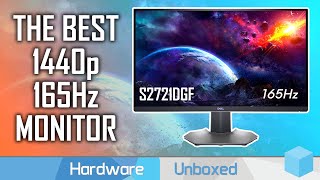
Dell S2721DGF
Dell U3223QE
VS

BenQ PD2725U
BenQ PD2730S
VS
Dell U3223QE
Dell UltraSharp U4025QW
VS
BenQ PD2730S
BenQ RD280U
VS
Dell U3223QE
Dell UltraSharp U3225QE
VS
Dell U3223QE
Dell UltraSharp U3224KB
VS

Dell U3223QE
Dell UltraSharp U2725QE
VS
Dell S2725QS
Dell U3223QE
VS
Dell S3225QS
Dell U3223QE
VS

Dell U3223QE
Dell UltraSharp U2723QE
VS