
They are closely matched: Dell S2725QS scores 47/100 and BenQ RD280U scores 45/100 in our overall comparison — within 2 points. Neither is a clear winner overall, so the decision comes down to the specific features and price that matter most to you.
Dell S2725QS vs BenQ RD280U
Updated Nov 2026 · Scored by the Let’s Compare Data Engine · How we score
For most buyers the BenQ RD280U is the better pick — it scores 67/100 to the Dell S2725QS's 58, leading on Image Quality and HDR. Choose the Dell S2725QS instead if performance matters most to you, where it comes out ahead.
Verdict
Our overall take, at a glance
Key takeaways
- BenQ RD280U leads Dell S2725QS overall by 9 points (67 vs 58 out of 100).
BenQ RD280U leads overall
BenQ RD280U
67
Dell S2725QS
58
Watch-outs
Compromises to know before you buy
Dell S2725QS
- No USB-C — no single-cable laptop connection.
BenQ RD280U
- 60 Hz — no high-refresh gaming.
In-depth analysisAI
AI-generated from the cited sources — may be incomplete or inaccurate; verify important details before deciding · generated Nov 2026.
Dell S2725QS
The Dell S2725QS is a 27-inch 4K monitor designed for everyday productivity and home office use. It features a 3840 x 2160 IPS panel with a 120Hz refresh rate and a typical brightness of 350 nits.
Best for home office productivity and multitaskingBest for media consumption requiring crisp 4K clarity
Pros
- Sharp 4K resolution on a 27-inch panel
- Smooth 120Hz refresh rate with FreeSync Premium support
- Ergonomic stand with height adjustment
- Built-in speakers for convenient audio output
Cons
- Lacks a USB-C port for single-cable laptop connection
- No integrated USB hub for connecting peripherals directly to the monitor
BenQ RD280U
The BenQ RD280U is a 28-inch 4K+ monitor designed specifically for software developers and coders. Built around a productivity-focused 3:2 aspect ratio, it delivers extra vertical screen real estate to view more lines of code simultaneously. It also incorporates ambient rear backlighting and dedicated display modes tailored for text legibility and long-session eye comfort.
Best for Software engineers wanting maximum vertical desktop area for reading long files Best for Late-night programming environments requiring ambient rear lighting and eye-care
Pros
- Tall 3:2 aspect ratio displays significantly more lines of code vertically compared to standard 16:9 screens
- High-density 4K+ resolution ensures sharp text rendering for comfortable long-term reading
- Integrated rear backlight helps reduce eye strain when working in dimly lit rooms
Cons
- 3:2 aspect ratio results in wide black letterboxing during standard 16:9 media viewing
- Specialized text and coding focus offers less utility for fast-paced gaming
Value for Money
Which is the better deal for the price
Enter today's price for each product to see which offers better value. Use the same currency for both.
Dell S2725QS
BenQ RD280U
Physical Comparison
Weigh them up, then compare real dimensions in 3D
Dell S2725QSBenQ RD280U
BenQ RD280U is 2.94 kg (64%) heavier than Dell S2725QS.
Detailed Specifications
The full spec sheet, side by side
Frequently Asked Questions
Common questions about Dell S2725QS vs BenQ RD280U comparison
Dell S2725QS and BenQ RD280U are compared side by side above across every spec in the monitors category — including performance, features and design — each scored 0–100 so you can see exactly where one leads the other. Our overall scores are 47/100 for Dell S2725QS and 45/100 for BenQ RD280U.
It's close — Dell S2725QS (47/100) and BenQ RD280U (45/100) score almost the same. Pick based on price and the individual specs that matter most to you; the comparison above shows where each one pulls ahead.
Which would you buy?
Cast your voteOther Popular Comparisons
Explore more product comparisons
BenQ RD280U
BenQ RD320U
VS
Dell S2725QS
Dell UltraSharp U5226KW
VS
BenQ PD2730S
BenQ RD280U
VS
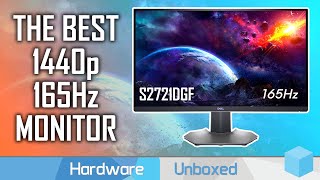
Dell S2721DGF
Dell S2725QS
VS

BenQ PD2725U
BenQ RD280U
VS
Dell S2725QS
Dell UltraSharp U4025QW
VS
Dell S2725QS
Dell UltraSharp U3225QE
VS
Dell S2725QS
Dell UltraSharp U3224KB
VS

Dell S2725QS
Dell UltraSharp U2725QE
VS
Dell S2725QS
Dell S3225QS
VS

Dell S2725QS
Dell U3223QE
VS

Dell S2725QS
Dell UltraSharp U2723QE
VS