eSIM vs physical SIM: which should you choose?
What an eSIM actually is, its real advantages, and the one situation where a physical SIM still wins.
By the Let’s Compare Editorial Team · 1 min read · Updated September 21, 2026
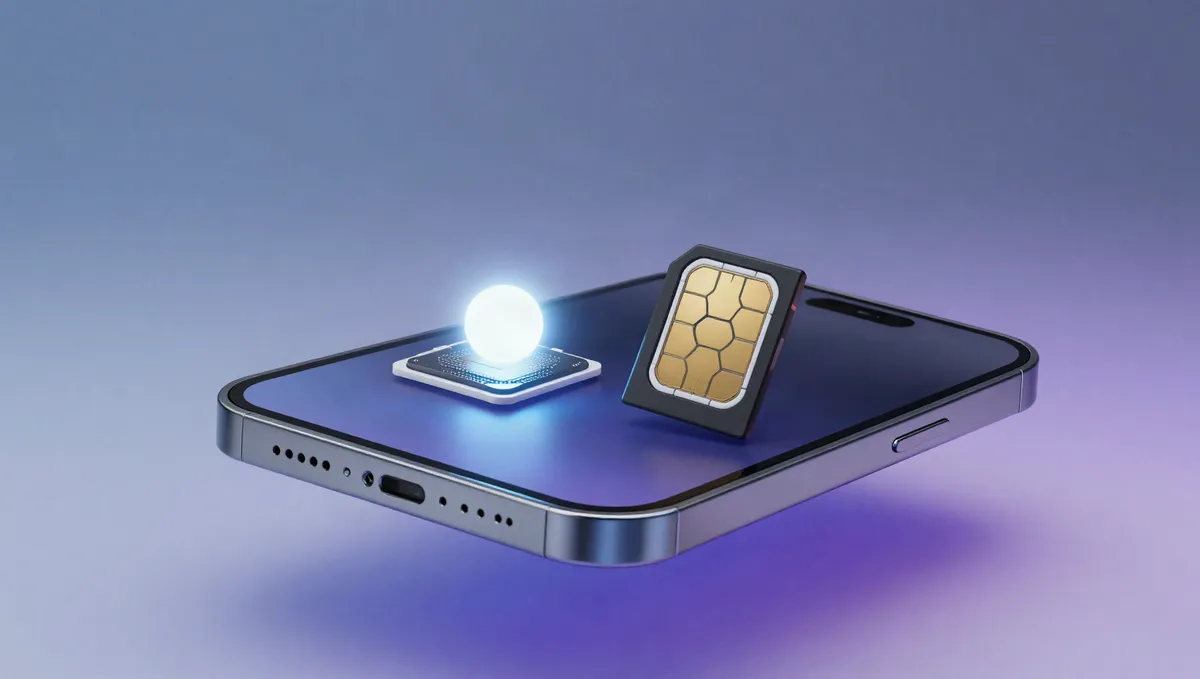
More phones are dropping the SIM tray for an eSIM — a chip built into the phone instead of a card you slot in. Here's how they differ, what eSIM gets you, and when a physical SIM is still the better call.
eSIM vs physical SIM
| eSIM | Physical SIM | |
|---|---|---|
| Activation | Instant (QR / app) | Insert a card |
| Dual SIM | Common (eSIM + SIM or 2 eSIMs) | Needs two trays |
| Switch phones | Carrier transfer | Pop it out, seconds |
| Carrier support | Growing, not universal | Universal |
What an eSIM is
An eSIM (embedded SIM) is a small chip soldered into the phone that stores your carrier profile digitally. Instead of inserting a plastic card, you activate a plan by scanning a QR code or through an app. The phone can usually hold several eSIM profiles and switch between them in software.
Why eSIM is handy
Three real wins. You can activate a line in minutes without waiting for a card in the post — ideal for travel data abroad. Many phones support dual SIM (one physical plus one eSIM, or two eSIMs), so you can run work and personal numbers, or a local travel plan, at once. And there's no tray to damage or leak through, which helps water resistance and security — a thief can't just pull your SIM.
When a physical SIM still wins
The catch is portability between phones. Swapping a physical SIM into a spare or borrowed phone takes seconds; moving an eSIM means a carrier transfer that can involve support or a wait. Some smaller and prepaid carriers still don't offer eSIM, and it's fiddlier where you buy local SIMs on the go. If you swap phones often or rely on cheap local SIMs, a tray still has its uses.
Sources & further reading
This article is original analysis grounded in independently verified references, including non-English outlets. The facts above are sourced so you can check them yourself.
- eSIM (embedded SIM, remote provisioning) — Wikipedia
- SIM card — Wikipedia