Water resistance ratings explained: IP67, IP68 and IPX8
What those IP numbers actually promise — and what they don't.
By the Let’s Compare Editorial Team · 1 min read · Updated September 21, 2026
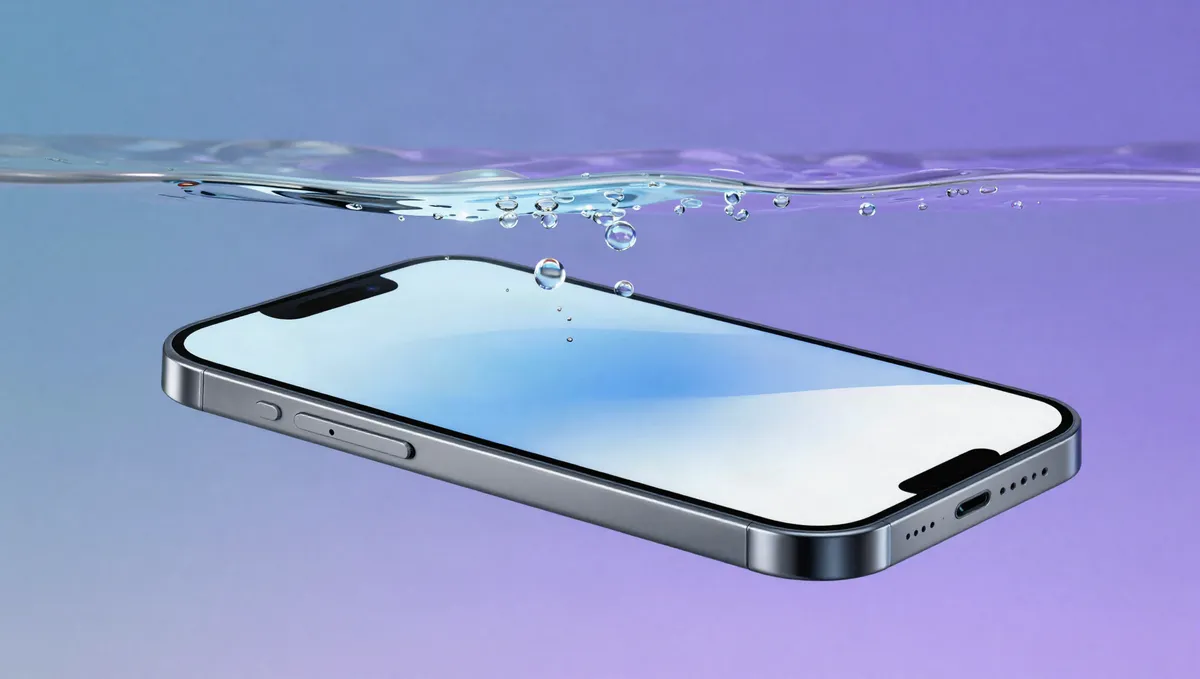
Phones, earbuds, watches and e-readers all advertise water resistance with codes like IP67 or IPX8. They come from an international standard, and each digit means something specific. Here's how to read them — and why 'water resistant' is not the same as 'waterproof'.
IP ratings decoded
| Rating | Protection | Typical use |
|---|---|---|
| IP67 | Dust-tight; ~1 m for 30 min | Rain, spills, a quick dunk |
| IP68 | Dust-tight; deeper/longer (maker-set) | Pool, beach, bath |
| IPX8 | Water immersion; dust not rated | E-readers, some earbuds |
What the IP code means
IP stands for Ingress Protection, defined by the international standard IEC 60529. The two digits after 'IP' rate protection against solids and liquids. The first digit (0–6) is dust: 6 means fully dust-tight. The second digit (0–9) is water: 7 means protected against temporary immersion (roughly 1 m for 30 minutes), and 8 means continuous immersion at a depth the manufacturer specifies. An 'X' — as in IPX8 — means that property simply wasn't tested, so IPX8 tells you about water but not dust.
IP67 vs IP68 vs IPX8
IP67 covers a brief encounter — rain, a spill, a drop in the sink. IP68 goes deeper and longer, with the exact depth set by the maker (often 1.5–2 m for 30–60 minutes), so it's the one you want for the pool or beach. IPX8 — common on e-readers and some earbuds — is the same water-immersion rating but with no dust rating. Higher isn't automatically 'better' for you; it depends on what you'll actually do with the device.
What the rating doesn't promise
Two big caveats. IP tests use fresh, still water — salt water, hot water, soap and pressure (a shower jet, a crashing wave) aren't covered and can defeat the seal. And ratings degrade: seals age and drops crack them, so an old, dropped phone's IP68 is not the guarantee it was on day one. Treat water resistance as insurance against accidents, not a licence to go swimming with your phone.
Sources & further reading
This article is original analysis grounded in independently verified references, including non-English outlets. The facts above are sourced so you can check them yourself.
- IP Code (IEC 60529 — dust and water ratings) — Wikipedia
- IP-Schutzart (Schutzarten nach IEC 60529) — Wikipedia (DE)