Optical vs digital zoom: how phone telephoto cameras work
Optical zoom uses a longer lens. Digital zoom crops. "Optical-quality" sits in between, and periscope lenses are how phones fit the long ones in.
By Let’s Compare · 2 min read · Updated November 27, 2026
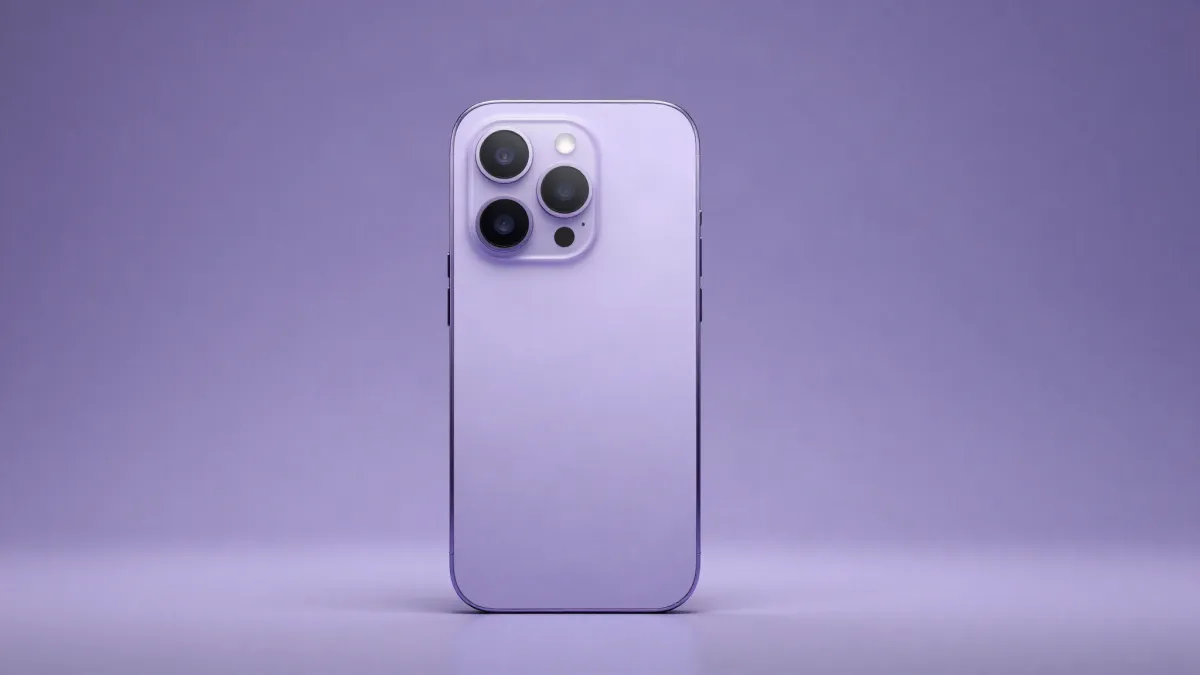
Phone makers quote zoom in big round numbers: 4x, 8x, 100x. Only part of that range comes from real optics. Knowing which part is which tells you how far a phone can actually reach before photos fall apart.
Phone zoom types compared
| Type | How it works | Example |
|---|---|---|
| Optical | Longer telephoto lens | 4x on iPhone 18 Pro, 5x on Galaxy S25 Ultra |
| Optical-quality | Centre crop of a high-res sensor | 8x on iPhone 18 Pro, 10x on Galaxy S25 Ultra |
| Digital | Crop and upscale | Up to 40x (iPhone), 100x (Galaxy) |
Optical vs digital zoom
Optical zoom uses a lens with a longer focal length. It magnifies the scene before the light reaches the sensor, so you keep the sensor's full detail. On a phone, that means a dedicated telephoto camera. The iPhone 18 Pro's main camera is 24 mm and its telephoto is 100 mm, which is where its 4x figure comes from.
Digital zoom crops a small part of the image and enlarges it. Google's camera researchers explain that the upscaling tries to recreate information the original image doesn't contain, which gives a blurry or plasticky look. Google's Super Res Zoom narrows the gap by merging a burst of slightly shifted frames, aiming to compete with the 2x optical lenses on other phones. It still can't stand in for a long telephoto lens.
Where "optical-quality" zoom comes from
Many phones now quote "optical-quality" zoom beyond their true optical zoom. It comes from cropping the centre of a high-resolution sensor. The iPhone 18 Pro's telephoto has a 48MP sensor, and Apple takes a 12MP crop of it for an 8x, 200 mm view: a quarter of the pixels, which doubles the reach. Samsung's Galaxy S25 Ultra pairs a 50MP 5x telephoto with a 10x optical-quality mode in the same way.
Because the crop uses real pixels rather than invented ones, it holds far more detail than upscaling, at a lower resolution. Past that point it's ordinary digital zoom. Apple lists digital zoom up to 40x, and Samsung's Space Zoom goes to 100x.
Periscope lenses, and what to look for
A long lens needs a long light path, and phones are thin. Periscope (folded) lenses solve that with a prism or mirror that turns the light 90 degrees, so the lens elements can run sideways along the body. That's how phones reach higher zoom ratios without getting much thicker. Apple's version, which it calls a tetraprism design, sits behind the iPhone 18 Pro's telephoto.
When you compare phones, find the longest true optical zoom (the telephoto's focal length or "optical zoom" figure) and treat it as the phone's real reach. An optical-quality crop just beyond it is usable. The headline digital maximum is a crop of a crop, so don't let it decide.
Related explainers
- Water resistance ratings explained: IP67, IP68 and IPX8
What those IP numbers promise, and what they don't.
- eSIM vs physical SIM: which should you choose?
What an eSIM is, where it helps, and the situation where a physical SIM still wins.
- mAh vs Wh: how to actually compare battery sizes
Why mAh doesn't compare across devices, and the number that does.
Sources & further reading
The facts and figures in this article come from the references below (some of them not in English), so you can check them yourself.
- See better and further with Super Res Zoom on the Pixel 3 — Google Research
- iPhone 18 Pro and 18 Pro Max: technical specifications — Apple
- Galaxy S25 Ultra — Samsung
- Periscope lens — Wikipedia